International Conference on
Dynamics of Sustainability
Management through Digitization
(DSMD-2.0)


ABDC Logo

Organized by
Jaipur School of Business

Sponsored by

DST Logo

Date: 27th – 28th March, 2026

Register Now
JECRCU Logo Strip

About the University

The JECRC University (JU) was established in 2012 recognized by UGC. The 32-acre JU campus is located in Jaipur, Rajasthan, India. The JU offers 155+ Programs at UG, PG and PhD level. Around 16,000+ students are currently pursuing their degrees and more than 25,000 alumni are spread over the globe.

The JECRC foundation has an excellent track record of placements by getting 2000+ offers every year. The multifaceted research at the JU resulted in 64+ patents. The University is recognized by NBA, AICTE and NAAC and is funded by Govt. agencies to support Startups PAN India. JECRC Incubation Centre (JIC) has incubated 65+ Startups across various sectors, generated 200+ Employments till now, and raised a total amount of 12+ Cr from External Venture Funds. JIC is supported with 10+Cr Funding received from MeitY Startup Hub as one of the Group 2 Centres in the TIDE 2.0 Scheme along with one of the esteemed centres as the Startup India SEED Fund Scheme by the Ministry of Trade & Commerce.

JU Makerspace, a student driven cell organizes Maker’s carnival and National level Smart India Hackathon (SIH) every year. A M-power cell for mental health & wellness was also established recently in the university campus in association with Aditya Birla Education trust. JU is also contributing in social awareness & welfare through NSS, NCC, Abhyudaya - a student & faculty driven social hand including other clubs.

JECRCU Logo Strip

About the Conference

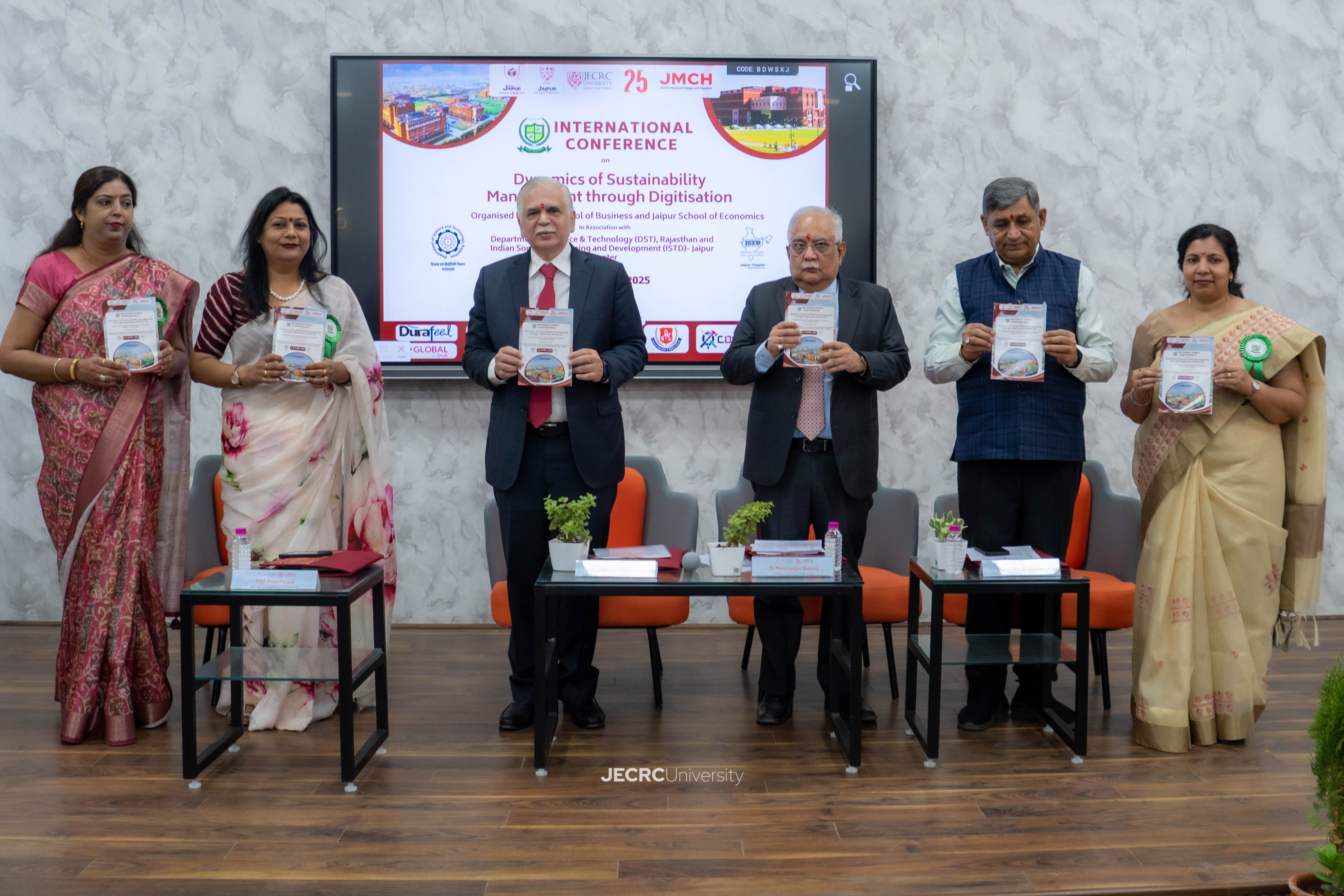
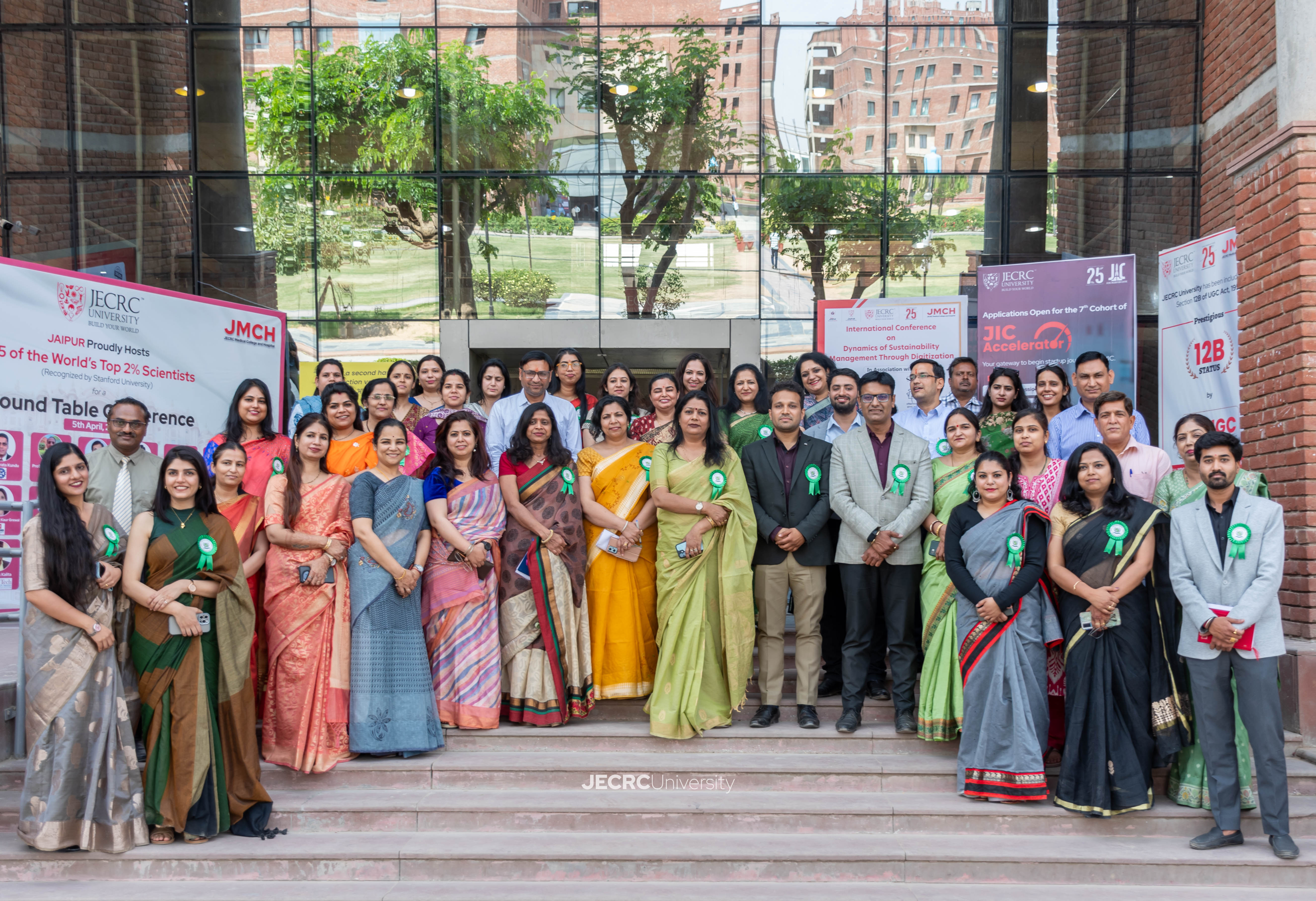
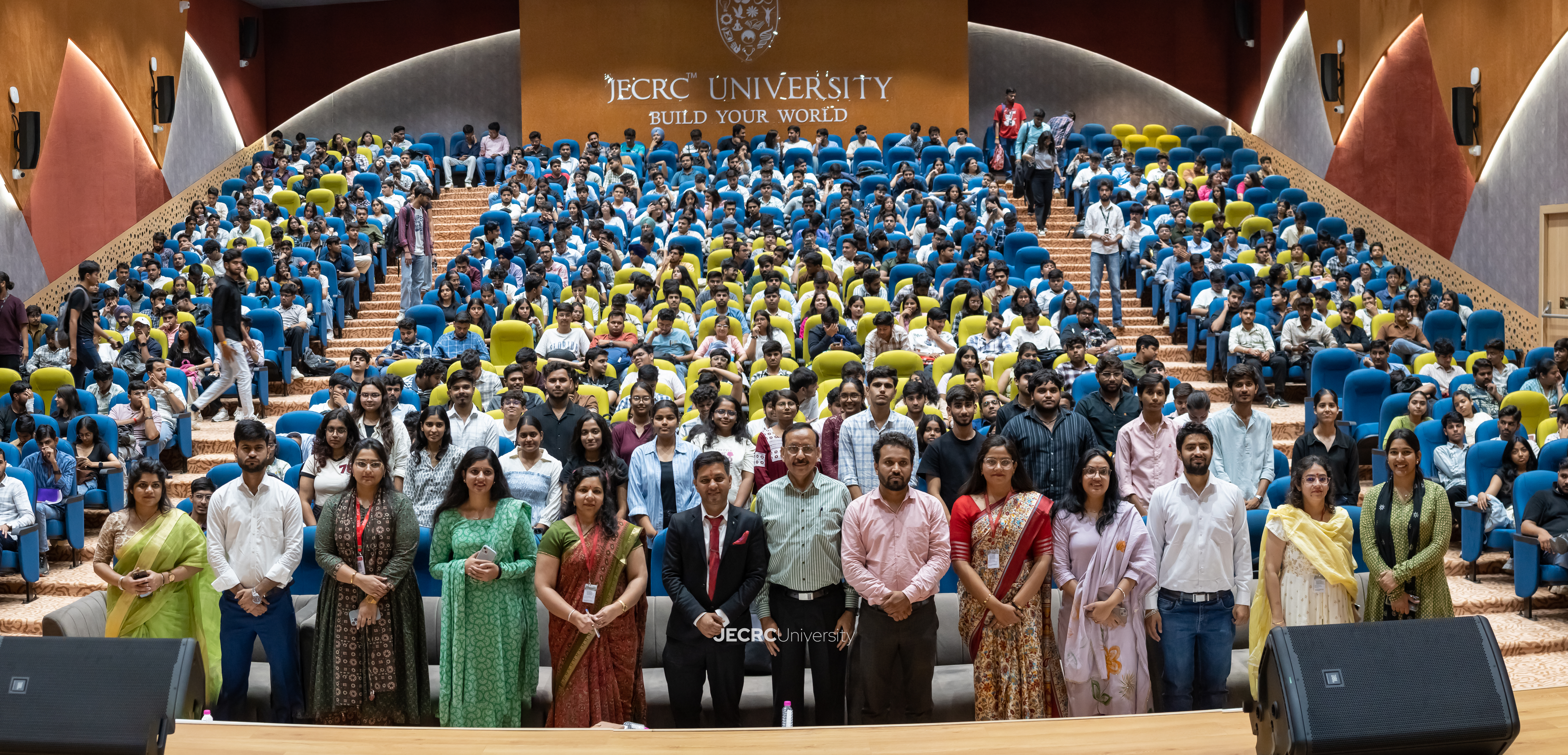
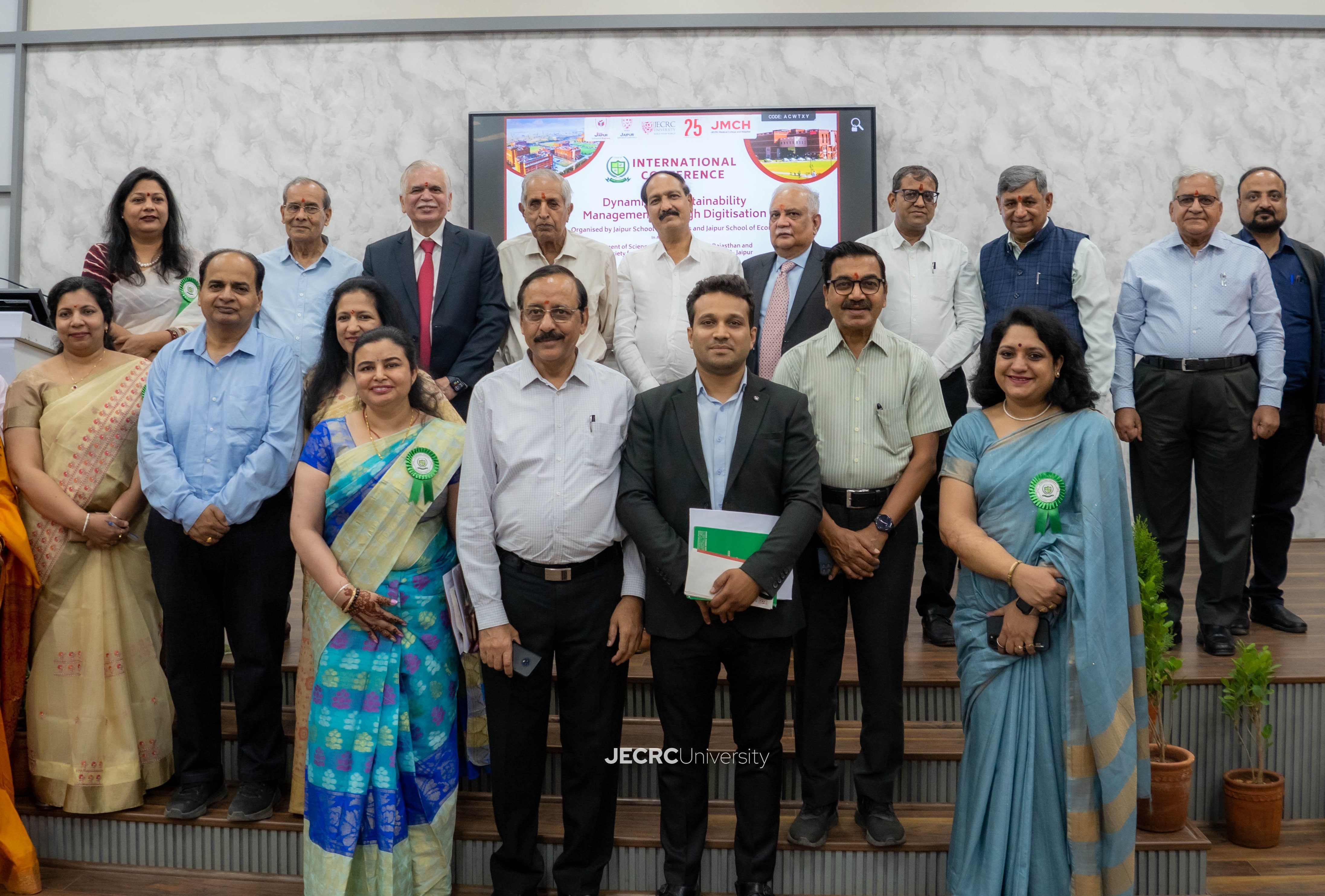
The International Conference on Dynamics of Sustainability Management through Digitization (DSMD-2.0), organized by the Jaipur School of Business, JECRC University, Jaipur, provides an interdisciplinary global platform for academicians, industry professionals, policymakers, and researchers to engage in critical discussions on sustainability management in the digital age. The conference emphasizes the integration of economic, social, environmental, and human dimensions of sustainability, highlighting the transformative role of digitization and artificial intelligence (AI) in enabling responsible and resilient growth. With rapid advancements in AI, smart infrastructure, and digital platforms, organizations are re-shaping business models, governance mechanisms, and societal outcomes.

DSMD-2.0 explores how AI-driven solutions can enhance ESG reporting, optimize resource efficiency, strengthen supply-chain transparency, improve climate risk assessment, and support data-driven decision-making for sustainable development. The conference is aligned with the United Nations Sustainable Development Goals (SDGs), particularly SDG 9 (Industry, Innovation and Infrastructure) through digital innovation, SDG 11 (Sustainable Cities and Communities) via smart urban solutions, SDG 13 (Climate Action) by leveraging AI and analytics for environmental monitoring, and SDG 7 (Affordable and Clean Energy) through smart grids and renewable energy integration. It further contributes to SDG 12 (Responsible Consumption and Production) by promoting circular economy practices, SDG 6 (Clean Water and Sanitation) through smart resource management, and SDGs 1 and 2 (No Poverty and Zero Hunger) by addressing digital inclusion and technology-enabled agriculture. Through diverse thematic tracks spanning management, finance, marketing, human resources, education, engineering, policy, and social sciences, DSMD-2.0 seeks to foster cross-sector collaboration, innovation-led strategies, and meaningful contributions to the global sustainability agenda.
Objectives

This International Conference is purposed (in hybrid mode) with an objective to overcome these challenges and to reap the benefits of technology enabled sustainable growth.

  1. Applying innovation to achieve sustainability, waste reduction, social responsibility, and a competitive advantage in Business.
  2. It’s a step towards continuous learning and development and by embracing environmental goals and strategies that are fully integrated with the goals
  3. To provide a global platform for sharing impactful deployments and innovations in Industry 4.0/5.0, smart cities, green fintech, and energy informatics, highlighting measurable outcomes and best practices across regions and sectors.
  4. To integrate discussions on policy frameworks, governance standards, and data ethics with strategic insights for developing robust business models and long-lasting organizational strategies that address global sustainability goals.
JECRCU Logo Strip

About Jaipur School of Business

Jaipur School of Business, a key part of JECRC University in Jaipur, is recognized for its comprehensive business education programs designed to meet the demands of the modern business world. The school offers a variety of undergraduate and postgraduate courses, including a BBA (Bachelor of Business Administration) with specializations in Finance, Marketing, and Human Resource Management, as well as a B. Com (Bachelor of Commerce) program, which provides a solid foundation in commerce, accounting, and economics.

Additionally, the school offers an MBA (Master of Business Administration) with advanced specializations in areas such as Digital Marketing, International Business, and Data Analytics. For those interested in academic or research careers, the school also offers a Ph.D. program in Business, enabling students to pursue in-depth research in their chosen fields. With its strong focus on practical learning, industry engagement, and skill development, Jaipur School of Business equips students with the knowledge and expertise needed to excel in the global business environment.

DEPARTMENT OF BUSINESS ADMINISTRATION
The Department of Business Administration is committed to equipping the younger generation with a solid foundation in business management. To achieve this, we offer a three-year, full-time BBA program designed to provide comprehensive knowledge of core business functions and their interconnections, along with opportunities for specialization. The program combines interdisciplinary coursework with advanced studies in areas such as Finance, Marketing, Human Resources, Social Entrepreneurship, IT, and E-Business.

Key Areas

Proposed Thematic Tracks & Disciplines

Track I

Track A: Integrating sustainability, innovation, and finance in modern business models

  • Sustainability Accounting, Reporting & Assurance
  • BRSR/GRI/CSRD/ISSB frameworks, integrated reporting, audit analytics, and materiality assessment.
  • Enhancing transparency through digital and data-driven assurance.
  • Sustainable Finance & Green FinTech
  • Climate risk pricing, green bonds, carbon markets, impact investing, and fintech for inclusion.
  • Leveraging digital finance for equitable and green transitions.
Track II

Track B: Shaping Consumer Behavior and marketing towards Clean Energy Adoption

  • Marketing Strategies for Renewable Energy Solutions
  • Consumer Awareness and Behavior towards Clean Energy
  • Sustainable Branding and Energy Efficiency
  • Digital Marketing in the Clean Energy Sector
  • Marketing & Consumer Behavior for Sustainability
  • Sustainable branding, behavioral interventions, nudges, and eco-labelling.
  • Influencing consumer choice for circular economy and responsible consumption.
Track III

Track C: Building Innovative Workplace Cultures to Foster Creativity and Collaboration

  • Green HRM practices, employee green behavior, psychological green climate, and mindful leadership.
  • Building sustainability-oriented work culture and change management.
  • Workforce Development for Technological Innovation
  • Building Innovative Workplace Cultures
  • HRM in Sustainable Infrastructure Projects
  • Digital Transformation in HR Processes
  • Sustainability and Human Capital Management
Track IV

Track D: Technology-Driven Lifelong Learning for Workforce Adaptability

  • Transforming Education for Workforce Readiness in a Digital Era
  • Harnessing Technology to Democratize Quality Education
  • Building Inclusive Learning Ecosystems through Digital Solutions
  • Empowering Education Systems with Technological Innovations
  • Preparing Future Generations: Education at the Intersection of Technology and Employability
  • Innovation, Entrepreneurship & MSMEs for Sustainability
  • Frugal innovation, digital platforms, incubators, and sustainable business models.
Track V

Track E: Humanities, Social Sciences & Policy Studies

  • Social justice, gendered impacts, indigenous knowledge systems, and the future of work.
  • Public Policy, Law & Governance
  • Education & Pedagogy for Sustainability
  • Green curricula, experiential learning, MOOCs, and community engagement for transformative education.
  • Behavioral & Development Economics of Sustainability
  • Externalities, incentives, community behavior, and rural–urban sustainability dynamics.
  • Healthcare, Tourism & Services Sustainability
  • Hospital green operations, wellness metrics, sustainable tourism certifications and analytics.
  • ESG integration, SDG alignment, stakeholder capitalism, board oversight.
  • Strategic frameworks for long-term sustainability and accountability.
Track VI

Track F: Artificial Intelligence (AI), Engineering, Technology and Design for Sustainable Futures

  • Artificial Intelligence (AI) and Machine Learning (ML) for Sustainability and ESG Analytics
  • AI-Driven Smart Manufacturing and Industry 4.0/5.0 Systems
  • IoT, IIoT and AI-Enabled Smart Infrastructure
  • Digital Twins, Robotics and Additive Manufacturing for Sustainable Operations
  • AI for Environmental Monitoring, Climate Informatics and Resource Optimization
  • Smart Grids, Renewable Energy Integration and AI-Based Energy Management
  • Cyber-Physical Systems, AI Security, Safety Standards and Responsible AI
  • Human-Centric Industry 5.0 and Ethical AI for Sustainable Development
Track VII

Track G: Globally Integrated & Emerging Themes

  • Bridging disciplines for global impact and policy–practice integration.
  • Circular Economy & Resource Regeneration
  • Designing systems for zero waste, recycling, and regeneration of natural resources.
  • Role of AI, IoT, blockchain, and digital platforms in achieving transparency and sustainability goals.
  • Global Partnerships, Standards & Impact Measurement • Cross-sector collaborations, performance benchmarking, and international best practices.

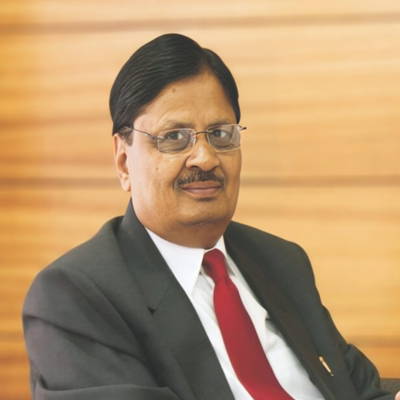
Chief Patron


Chief Patron

Shri O. P. Agrawal

Chancellor,
JECRC University, Jaipur

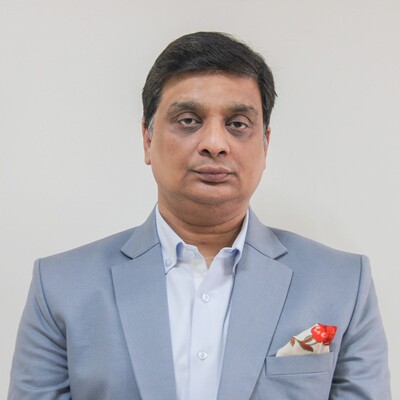
Patrons

Patron 1

Shri Amit Agrawal

Vice-Chairperson,
JECRC University, Jaipur

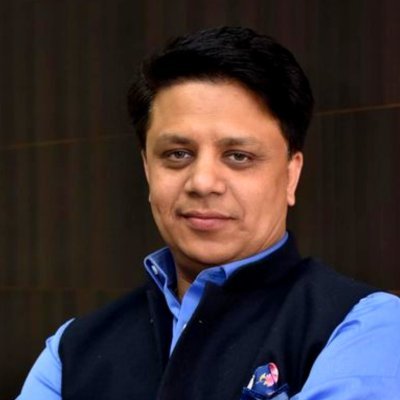
Patron 2

Shri Arpit Agrawal

Vice-Chairperson,
JECRC University, Jaipur

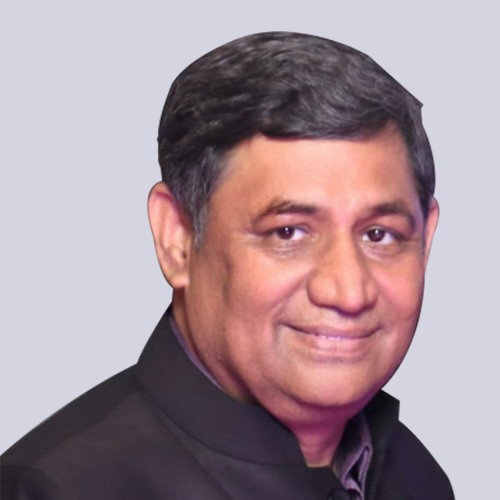
Patron 3

Prof. Victor Gambhir

President,
JECRC University, Jaipur

Co-Patron


Chief Patron

Shri Dheemant Agrawal

Director, Digital Strategies,
JECRC University, Jaipur


Chief Patron

Shri S.L. Agrawal

Registrar
JECRC University, Jaipur

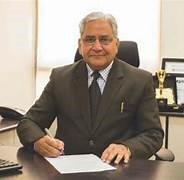
Conference Chair

(Dr.) Renu Pareek

Dr. Renu Pareek
(Dean)

Jaipur School of Business,
JECRC University, Jaipur

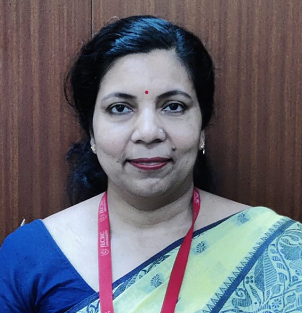
Convener


Dr. Ruchi Goyal

Dr. Ruchi Goyal
(Head)

Jaipur School of Business,
JECRC University, Jaipur

Proposed Schedule

Date & Day Session Time Venue Topic Resource Persons/ Keynote
27/03/2026
Day 1
Inaugural Function 10:00am - 11:00am Auditorium Inaugural Address Key Note Address
27/03/2026
Day 1
High Tea: 11:00am - 11:30am
27/03/2026
Day 1
Technical Session 1 & 2 11:30am - 1:00pm Seminar Hall Track 1: Integrating sustainability, innovation, and finance in modern business models
Track 2: Shaping Consumer Behavior and marketing towards Clean Energy Adoption
Session Chairs 1 & 2
27/03/2026
Day 1
Lunch: 1:00pm - 2:00pm
27/03/2026
Day 1
Technical Session 3 & 4 2:00pm - 3:30pm JU Seminar Hall Track 3: Building Innovative Workplace Cultures to Foster Creativity and Collaboration
Track 4: Technology-Driven Lifelong Learning for Workforce Adaptability
Session Chairs 3 & 4
28/03/2026
Day 2
Technical Session 5 & 6 9:30am-11:00am JU Seminar Hall Track 5: Humanities, Social Sciences & Policy Studies
Track 6: Artificial Intelligence (AI), Engineering, Technology and Design for Sustainable Futures
Session Chairs 5 & 6
28/03/2026
Day 2
Tea Break: 11:00am - 11:30am
28/03/2026
Day 2
Technical Session 7 11:30am-1:00pm JU Seminar Hall Track 7: Globally Integrated & Emerging Themes Session Chairs 7
28/03/2026
Day 2
Valedictory Session Report Presentation & Certificate distribution Vote of Thanks (1:00 pm to 2:00 pm)
28/03/2026
Day 2
Lunch 2:00 pm to 3:00 pm

Call for Abstract/Full Paper


DSMD-2.0 welcomes submissions of original, unpublished research papers from researchers, academicians, industry professionals, and students for presentation at the conference. Accepted papers will be published in the conference proceedings, with a selection of outstanding papers considered for publication in Scopus Indexed, ABDC and other prestigious journals.
Last Date for submitting Abstract: 25 Feb, 2026
Last Date for submitting Full Paper: 10 March, 2026

Paper Submission Guidelines


Paper Submission Link
    Author Guidelines
  • A maximum of two submissions are allowed per individual.
  • An individual can be a co-author in more than 2 papers.
  • Send your abstract to dsmd@jecrcu.edu.in before the last date.
    • Abstract Submission Guidelines
  • Papers must be original and previously unpublished, reflecting the conference theme.
  • The word count for the paper should be between 6,000 to 8000 words, including figures, tables, and references.
  • The paper should follow the suggested structure: Introduction, Review of Literature, Research Gap Identification, Methodology, Findings, Implications, Limitations and Further scope of research.
  • Formatting requirements include A4 size, Times New Roman font size 12, and 1.5 line spacing.
  • References should be cited using APA (7th edition) style.
    • Research Paper Submission Guidelines
  • Abstracts must be structured and concise, containing 250 words.
  • The structure should cover research objectives, methodology, and major findings.
  • No citations or references are allowed in the abstract.
  • Formatting should adhere to A4 size, Times New Roman font size 12, and 1.5 line spacing.
  • Registration

    Participation in DSMD-2.0 is through registration only.
    Registration Form

    Steps for Conference Registration

    1. Fill out the registration form with all the necessary details..
    2. Submit your abstract by 25th Feb, 2026, if applicable
      *optional for attendees not submitting an abstract.
    3. Use the provided link to pay the required registration fee. Pay Here PaymentQR
    4. Save the payment receipt as a PDF or JPG for uploading during the registration process..
    5. Finalize and submit the registration form.

    Registration Fee*

    Category Registration Fee
    Experts from Industry INR 6000
    Faculty Members INR 3000
    PhD Scholars INR 3000
    PG/UG Students INR 3000
    Foreign Nationals INR 12700 Or
    USD 150

    Please Note: The Registration fee will include the participation fee, conference kit, conference meals.
    Additional APC will be applicable for Scopus/Web of Science Publication

    How to Reach JECRC University

    JECRC University is situated almost 9.5 km from Jaipur International Airport and 18 km from the Jaipur Railway Junction.

    Other railway stations near to JECRC University are Gandhinagar Jaipur and Jagatpura Railway Station, which are almost 13 km and 8 km away, respectively.

    Jaipur Bus Stand (Sindhi Camp) is almost 18 km away, and the nearest bus stop (Narayan Singh Circle) is almost 15 km from JECRC University, Jaipur.

    Nearby Tourist Places

    Jaipur is a magical land of forts and palaces, also called the “Pink City” for its trademark building color. The pink city has become one of the second cities in India to become a UNESCO World Heritage site. The city is the best example of ancient town planning in which all the streets are cross-connected with a network of “Choupars.” Apart from the monuments, there are various famous temples and gardens that are worth visiting.

    Jaipur Darshan: Optional and Chargeable.

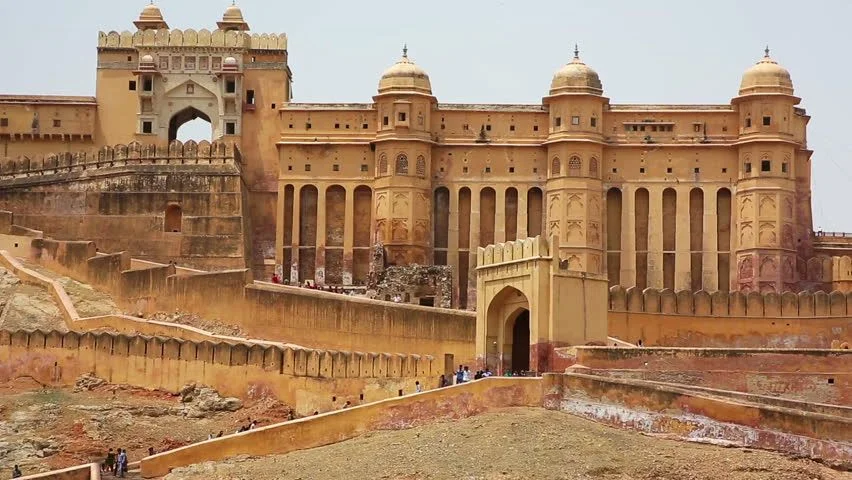
    Amber Fort
    Amber Fort View on Map
    Hawa Mahal
    Hawa Mahal View on Map
    Nahargarh Fort
    Nahargarh Fort View on Map
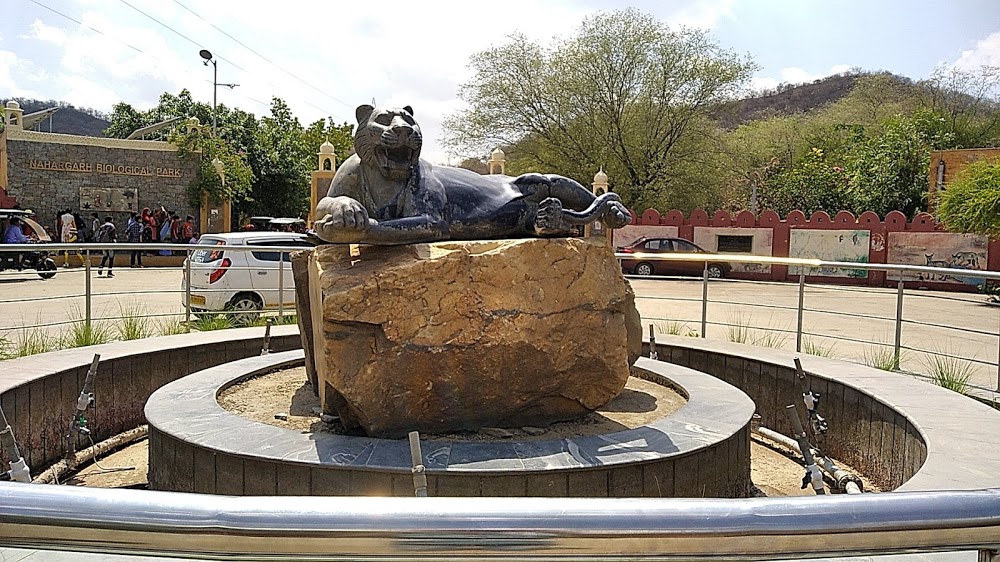
    Nahargarh Biological Park
    Nahargarh Biological Park View on Map
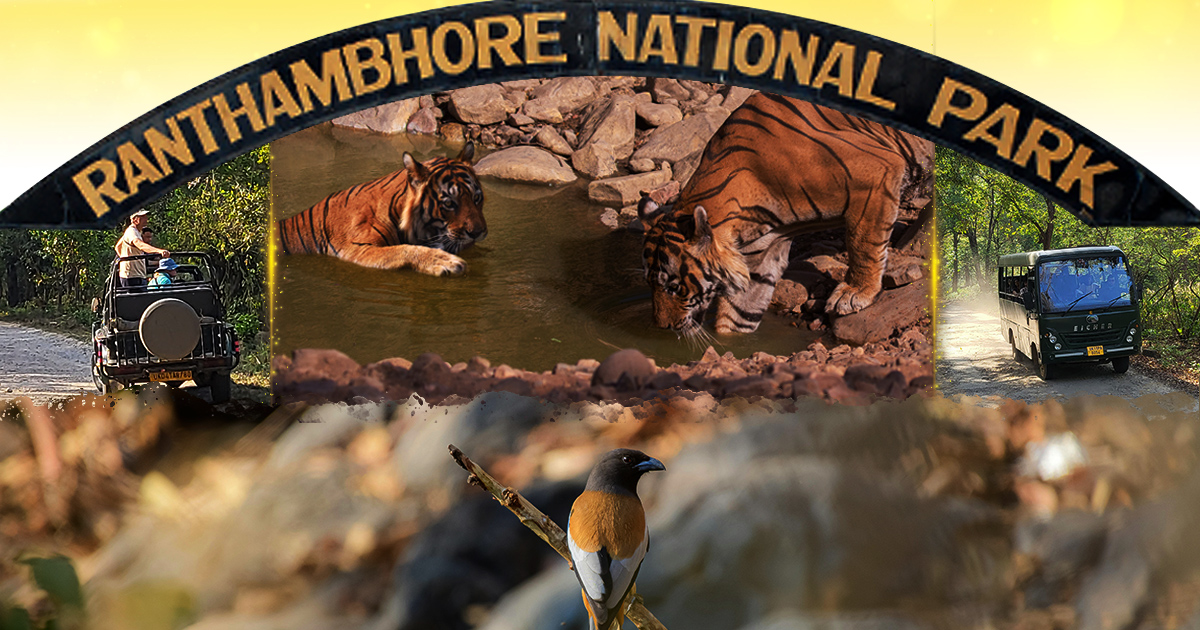
    Ranthambore National Park
    Ranthambore National Park View on Map
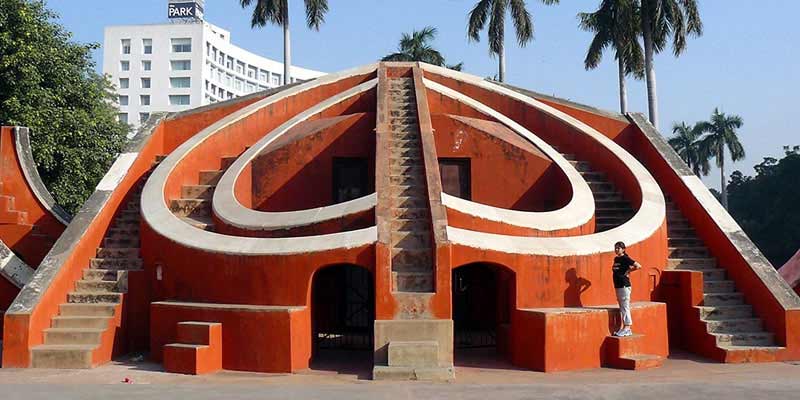
    Jantar Mantar
    Jantar Mantar View on Map
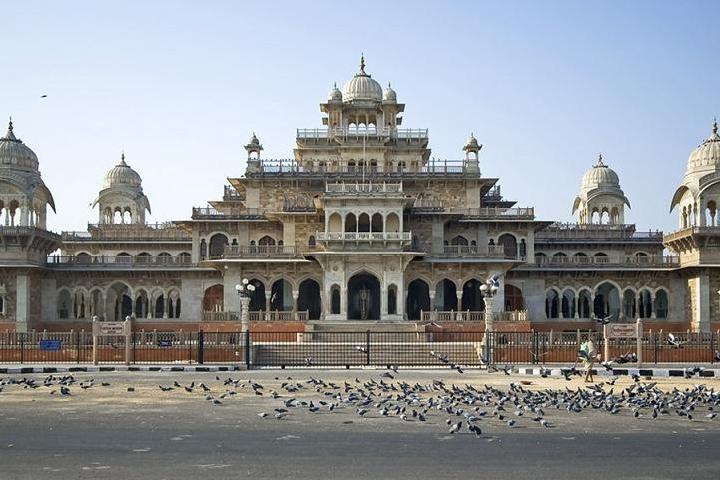
    Albert Hall
    Albert Hall View on Map
    Brahma Temple Pushkar
    Brahma Temple, Pushkar View on Map
    Govind Dev Ji
    Govind Dev Ji View on Map

    Address for Conference

    Convener, DSMD-2.0
    Jaipur School of Business,
    JECRC University
    Ramchandpura, Sitapura Industrial Area
    Near Vidhani Circle, Jaipur-303905
    Rajasthan, India

    Contact Us


    Prof. (Dr.) Ruchi Goyal
    Head- Dept. of Business Administration
    Jaipur School of Business,
    JECRC University, Jaipur

    For registration query: +91-8005784548
    For paper submission query: +91-8306662212